
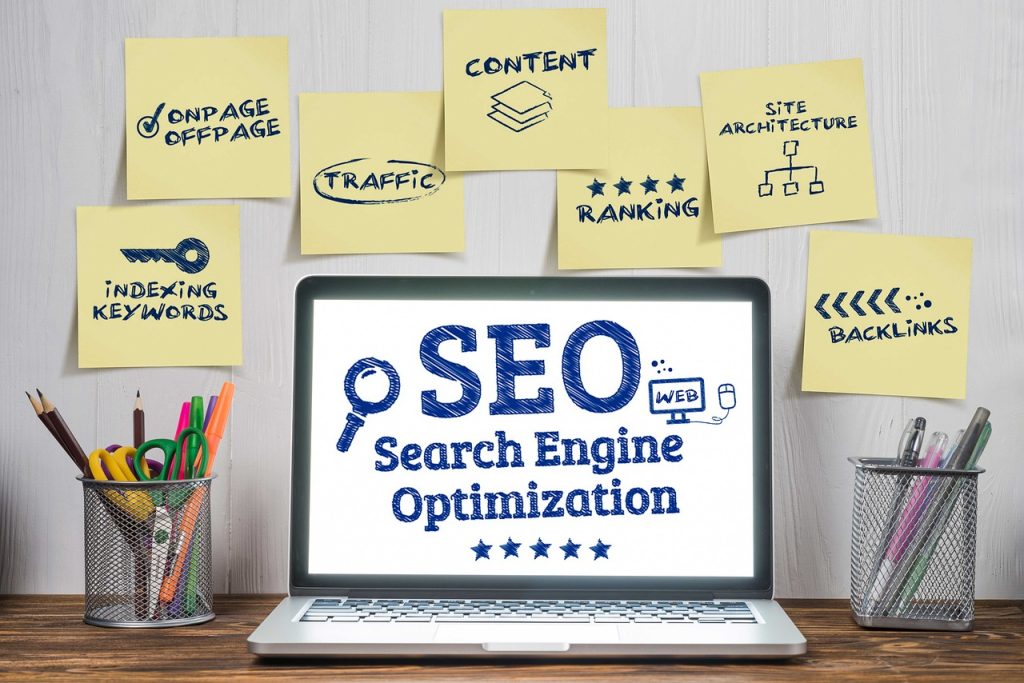
Why SEO Isn’t for Every Business (And When to Skip It)
Let’s Disrupt a Sacred Digital Marketing Belief We’ve all heard the mantra: “If you’re not investing in SEO, you’re leaving money on the table!” But what if that’s only half the story? While SEO drives growth for many businesses, blindly following this advice can waste time, money, and opportunity. Let’s explore why SEO isn’t a universal solution—and how to decide if it’s right for you. SEO 101: What It Does (And Doesn’t Do) SEO optimizes your website to rank higher on search engines like Google, attracting free (“organic”) traffic over time. It works wonders for businesses where: Example: A SaaS company targeting “project management software” can’t ignore SEO—it’s where their audience lives. But here’s the catch: SEO isn’t magic. It’s a long, resource-heavy game with no guaranteed payoff. And for some businesses, it’s outright unnecessary. 3 Types of Businesses That Should Think Twice About SEO 1. “Our Customers Aren’t Googling Us” Alternative: Invest in Google My Business (for local visibility) or LinkedIn outreach (for B2B). 2. “We Can’t Outspend (or Outwait) the Competition” In crowded niches like insurance, fitness apps, or CBD products, ranking requires: Alternative: Use targeted PPC ads to “rent” top rankings instantly. 3. “Our Industry is Too Regulated for Keyword Games” Healthcare, finance, and legal sectors face strict compliance rules. SEO content that’s both search-friendly and legally bulletproof? Nearly impossible. Alternative: Focus on thought leadership via whitepapers or webinars. The Hidden Costs Nobody Talks About SEO isn’t free—it’s a long-term resource drain: A 2022 HubSpot study found 56% of small businesses quit SEO within a year due to slow ROI. Better Than SEO? 4 Alternatives to Consider ShoulShould YOU Invest in SEO? Ask These 5 Questions If you answered “no” to 2+ questions, SEO might not be your golden ticket. But Wait—Isn’t SEO Evolving? Yes! Voice search, AI content, and E-E-A-T (Experience, Expertise, Authoritativeness, Trustworthiness) are reshaping SEO. However, these changes don’t negate its core limitations: time, cost, and relevance. Even with AI tools, a flower shop targeting local same-day deliveries will still benefit more from Google Ads than a blog about “rose varieties.” Final Takeaway: Ditch the Hype, Follow the Data SEO is a tool, not a religion. Before jumping in: Not every business needs to rank on Google—and that’s okay. Still unsure if SEO fits your business? Download our free SEO Viability Checklist
Why SEO Isn’t for Every Business (And When to Skip It) Read More »