Community Manager

How Restaurants in Cambodia Can Use Google My Business to Attract More Customers

In today’s digital age, having an online presence is no longer optional for restaurants—it’s essential. Whether you’re a small café in Phnom Penh or a fine-dining restaurant in Siem Reap, Google My Business (GMB) is one of the most powerful tools you can use to stand out in Cambodia’s competitive food industry. By optimizing your GMB profile, you can showcase your menu, highlight stunning photos, and display glowing customer reviews—all of which can drive more foot traffic and online orders. In this article, we’ll explore how Cambodian restaurants can make the most of Google My Business to attract more customers and grow their business. 1. Why Google My Business Matters for Restaurants When people search for restaurants in Cambodia, they often turn to Google. Whether they’re looking for “best Khmer cuisine in Phnom Penh” or “restaurants near me,” a well-optimized GMB profile ensures your restaurant appears at the top of search results. Here’s why GMB is crucial: 2. Step 1: Claim and Optimize Your Google My Business Profile The first step is to claim and optimize your GMB profile. If you haven’t already, follow these steps: How to Claim Your Profile: How to Optimize Your Profile: 3. Step 2: Showcase Your Menu One of the best features of GMB is the ability to upload a menu directly to your profile. This allows potential customers to browse your offerings without leaving Google. Tips for Adding Your Menu: Example: If you specialize in Khmer cuisine, your menu could include: 4. Step 3: Add High-Quality Photos Photos are one of the most engaging elements of your GMB profile. They give potential customers a glimpse of your restaurant’s ambiance, food, and service. Types of Photos to Include: Tips for Uploading Photos: 5. Step 4: Encourage Customer Reviews Customer reviews are a powerful form of social proof. Positive reviews not only build trust but also improve your ranking in local search results. How to Get More Reviews: Example Response to a Positive Review: “Thank you for your kind words, Sokha! We’re thrilled you enjoyed our Fish Amok. Looking forward to serving you again soon!” Example Response to a Negative Review: “We’re sorry to hear about your experience, Chantha. Please reach out to us directly so we can make things right. Your satisfaction is our priority.” 6. Step 5: Post Updates and Promotions GMB allows you to post updates, promotions, and events directly on your profile. These posts appear in search results and help keep your audience engaged. Ideas for GMB Posts: Tips for Effective Posts: 7. Step 6: Monitor Insights and Performance Google My Business provides valuable insights into how customers interact with your profile. Use these analytics to refine your strategy. Key Metrics to Track: Example Insight: “If you notice most customers search for your restaurant during lunch hours, consider posting lunch specials or discounts during that time.” For restaurants in Cambodia, Google My Business is a game-changer. By showcasing your menu, adding high-quality photos, encouraging customer reviews, and posting regular updates, you can attract more customers and grow your business. Take the time to optimize your GMB profile—it’s one of the simplest yet most effective ways to stand out in Cambodia’s competitive food scene. Ready to elevate your restaurant’s online presence? Start optimizing your Google My Business profile today, and watch your customer base grow! Need help setting up or optimizing your Google My Business profile? DCA specializes in helping restaurants in Cambodia boost their online visibility. Contact us today for a free consultation!

How Restaurants in Cambodia Can Use Google My Business to Attract More Customers Read More »

Person holding a credit card while shopping online on a laptop, indicating ecommerce transactions.

How to Boost E-commerce Conversions in Cambodia: Focus on Product Descriptions, Reviews, and Local Payment Options

The e-commerce industry in Cambodia is booming as more consumers turn to online shopping for convenience and variety. However, with increasing competition, standing out in the crowded digital marketplace requires a strategic approach. To improve conversions and grow your online store, focus on three key areas: product descriptions , customer reviews , and local payment options . In this article, we’ll explore how these elements can enhance your e-commerce business and provide actionable tips to help you succeed in Cambodia’s growing online market. 1. Why Product Descriptions Matter A well-written product description does more than just inform—it convinces potential customers to make a purchase. In Cambodia, where many shoppers are new to e-commerce, clear and compelling descriptions are essential for building trust and driving sales. Tips for Writing Effective Product Descriptions: Example: If you’re selling eco-friendly bags, your description could read: “Say goodbye to plastic with our durable, eco-friendly tote bags. Perfect for shopping in Phnom Penh or carrying essentials on the go, these bags are stylish, reusable, and kind to the environment.” 2. The Power of Customer Reviews Customer reviews are one of the most trusted forms of social proof. In Cambodia, where online shopping is still gaining traction, reviews play a crucial role in building credibility and influencing purchasing decisions. How to Leverage Customer Reviews: Example: If you sell electronics, a review might say: “I was hesitant to buy this blender online, but it works perfectly! It’s powerful, easy to clean, and great for making smoothies during Cambodia’s hot summers.” 3. Offering Local Payment Options One of the biggest barriers to e-commerce in Cambodia is the lack of convenient payment methods. Many shoppers prefer cash-on-delivery (COD) or local payment systems over credit cards or international platforms. By offering flexible payment options, you can reduce cart abandonment and increase conversions. How to Cater to Local Preferences: Example: If you’re selling home appliances, your payment options section could say: “Shop hassle-free with multiple payment options: Pay via ABA Pay, Wing, or Pi Pay, or choose cash-on-delivery when your order arrives.” 4. Combining These Strategies for Maximum Impact To truly boost conversions, integrate these strategies into a cohesive plan: For example: Improving conversions for your e-commerce store in Cambodia requires a focus on the details that matter most to shoppers: clear product descriptions , trustworthy reviews , and convenient payment options . By implementing these strategies, you can build trust, reduce barriers to purchase, and grow your online business. Ready to take your e-commerce store to the next level? Start optimizing your product pages today, and watch your sales soar! Need help optimizing your e-commerce store for Cambodia’s market? DCA specializes in creating high-converting product pages, managing customer reviews, and integrating local payment solutions. Contact us today for a free consultation!

How to Boost E-commerce Conversions in Cambodia: Focus on Product Descriptions, Reviews, and Local Payment Options Read More »

Discover the lush green surroundings and iconic clock at Wat Phnom, a renowned landmark in Phnom Penh, Cambodia.

How to Optimize Your Tourism Business for Keywords Like “Best Tours in Cambodia”

Cambodia is a treasure trove of cultural heritage, stunning landscapes, and unforgettable experiences. From the ancient temples of Angkor Wat to the vibrant streets of Phnom Penh, tourists flock to this Southeast Asian gem every year. If you’re running a tourism business in Cambodia—whether it’s a tour operator, travel agency, or hospitality provider—you need to ensure your website ranks high on Google for competitive keywords like “best tours in Cambodia.” In this article, we’ll explore how to optimize your online presence for tourism-related keywords and create compelling blog posts about popular Cambodian destinations that attract travelers and boost bookings. 1. Why Keywords Like “Best Tours in Cambodia” Matter When tourists search for travel options, they often use specific phrases like: These keywords are highly relevant to your target audience and can drive significant traffic to your website. Ranking for these terms ensures that your business appears at the top of search results when potential customers are planning their trips. However, ranking for competitive keywords requires more than just stuffing them into your content. You need a strategic approach that combines SEO best practices with valuable, engaging information. 2. Step 1: Conduct Keyword Research Before creating content, identify the most relevant and profitable keywords for your tourism business. Use tools like Google Keyword Planner , Ahrefs , or SEMrush to discover: Focus on keywords that align with your services and the interests of your target audience. For example: 3. Step 2: Create Blog Posts About Popular Destinations One of the best ways to rank for tourism-related keywords is by creating blog posts that highlight Cambodia’s most popular destinations. These posts not only attract organic traffic but also position your business as an authority in the tourism industry. Example Blog Post Ideas: Tips for Writing Engaging Blog Posts: 4. Step 3: Optimize On-Page SEO Once you’ve written your blog posts, optimize them for search engines to improve their visibility. Here’s how: a) Title Tags and Meta Descriptions Craft compelling titles and meta descriptions that include your target keywords. For example: b) Headings and Subheadings Use H1, H2, and H3 tags to structure your content and make it easy to read. For example: c) Image Optimization Add alt text to all images using descriptive keywords. For example: d) Internal and External Links 5. Step 4: Leverage Local SEO Tourists searching for tours in Cambodia are likely looking for local businesses. Optimize your website for local SEO to capture this audience. How to Do It: 6. Step 5: Promote Your Content Creating great content is only half the battle. You also need to promote it to reach a wider audience. Promotion Strategies: Optimizing your tourism business for keywords like “best tours in Cambodia” can significantly boost your online visibility and attract more customers. By conducting thorough keyword research, creating engaging blog posts about popular destinations, and implementing on-page and local SEO strategies, you can establish your business as a leader in Cambodia’s tourism industry. Ready to take your tourism business to the next level? Start implementing these tips today, and watch your website climb the search rankings!   Are you struggling to rank for tourism-related keywords? Let DCA help! Our expert SEO services are designed to boost your online presence and drive more bookings. Contact us today for a free consultation! Get FREE SEO AUDIT!

How to Optimize Your Tourism Business for Keywords Like “Best Tours in Cambodia” Read More »

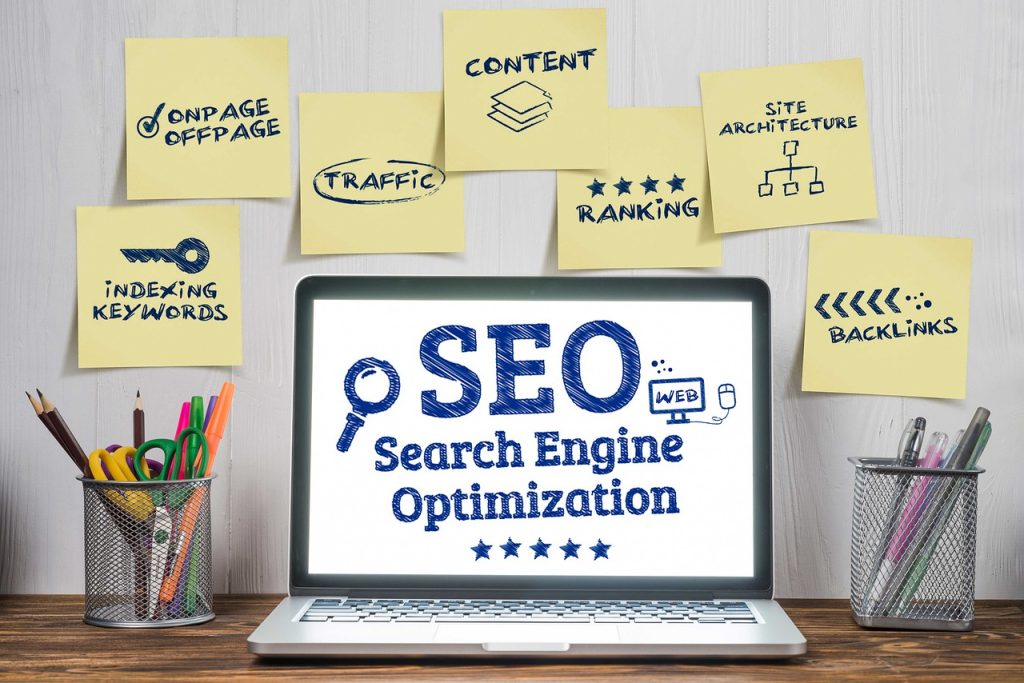
search engine optimization, seo, digital marketing, laptop, online job, seo, seo, seo, seo, seo, digital marketing

Why SEO Isn’t for Every Business (And When to Skip It)

Let’s Disrupt a Sacred Digital Marketing Belief We’ve all heard the mantra: “If you’re not investing in SEO, you’re leaving money on the table!” But what if that’s only half the story? While SEO drives growth for many businesses, blindly following this advice can waste time, money, and opportunity. Let’s explore why SEO isn’t a universal solution—and how to decide if it’s right for you. SEO 101: What It Does (And Doesn’t Do) SEO optimizes your website to rank higher on search engines like Google, attracting free (“organic”) traffic over time. It works wonders for businesses where: Example: A SaaS company targeting “project management software” can’t ignore SEO—it’s where their audience lives. But here’s the catch: SEO isn’t magic. It’s a long, resource-heavy game with no guaranteed payoff. And for some businesses, it’s outright unnecessary. 3 Types of Businesses That Should Think Twice About SEO 1. “Our Customers Aren’t Googling Us” Alternative: Invest in Google My Business (for local visibility) or LinkedIn outreach (for B2B). 2. “We Can’t Outspend (or Outwait) the Competition” In crowded niches like insurance, fitness apps, or CBD products, ranking requires: Alternative: Use targeted PPC ads to “rent” top rankings instantly. 3. “Our Industry is Too Regulated for Keyword Games” Healthcare, finance, and legal sectors face strict compliance rules. SEO content that’s both search-friendly and legally bulletproof? Nearly impossible. Alternative: Focus on thought leadership via whitepapers or webinars. The Hidden Costs Nobody Talks About SEO isn’t free—it’s a long-term resource drain: A 2022 HubSpot study found 56% of small businesses quit SEO within a year due to slow ROI. Better Than SEO? 4 Alternatives to Consider ShoulShould YOU Invest in SEO? Ask These 5 Questions If you answered “no” to 2+ questions, SEO might not be your golden ticket. But Wait—Isn’t SEO Evolving? Yes! Voice search, AI content, and E-E-A-T (Experience, Expertise, Authoritativeness, Trustworthiness) are reshaping SEO. However, these changes don’t negate its core limitations: time, cost, and relevance. Even with AI tools, a flower shop targeting local same-day deliveries will still benefit more from Google Ads than a blog about “rose varieties.” Final Takeaway: Ditch the Hype, Follow the Data SEO is a tool, not a religion. Before jumping in: Not every business needs to rank on Google—and that’s okay. Still unsure if SEO fits your business? Download our free SEO Viability Checklist

Why SEO Isn’t for Every Business (And When to Skip It) Read More »

A clean, contemporary workspace featuring a desktop with analytics on the screen and plants for a fresh look.

Elevate Your Digital Presence: Tailored Strategies for Modern Businesses by DCA

Introduction: Navigating the Digital MazeIn today’s fast-paced digital world, standing out is no longer optional—it’s essential. At DCA, we understand the challenges businesses face: drowning in algorithms, chasing trends, and competing for visibility. But what if your digital strategy could be more than just a checklist? What if it could be a growth engine? Let’s explore how our human-centric approach transforms your digital presence into a story that resonates. 1. SEO: The Art of Being Found Your Business, Front and CenterImagine a customer typing “best SEO Services in Malaysia” into Google. Do they see you? Our SEO strategies blend technical precision with creativity to ensure your brand ranks where it matters. 2. Web Design: Where First Impressions Matter More Than Just Pretty PagesYour website is your digital handshake. We craft sites that are: 3. Social Media: Building Communities, Not Just Followers From Scrolls to SalesSocial media isn’t about vanity metrics—it’s about sparking conversations. Our approach: 4. Content Marketing: Your Brand’s Voice, Amplified Educate, Don’t SellToday’s buyers crave authenticity. Our content strategies position you as the guide, not the hero: 5. PPC: Precision Over Guesswork Pay for Performance, Not HopesWhy gamble with budgets? Our PPC campaigns target high-intent audiences: Why DCA Asia? Because Digital Should Feel Human Ready to Rewrite Your Digital Story?At DCA, we don’t just offer services—we build partnerships for growth. Whether you’re a startup finding your footing or an established brand ready to scale, let’s create a strategy as unique as your business. 📞 Contact us today for a free audit or a coffee chat (virtual or in-person!). Your audience is searching—let’s make sure they find you.

Elevate Your Digital Presence: Tailored Strategies for Modern Businesses by DCA Read More »

Facebook’s Guide to Building E.P.I.C. Brands: 4 Key Elements

So, you’re the steward of a company with an exceptional offering, propelled by unwavering core values. How can you translate this into a compelling brand that forges robust connections with customers and ignites a devoted following? Facebook’s E.P.I.C. brand framework is your compass, guiding companies to articulate their identity and resonate with their desired audience. E.P.I.C. embodies four vital facets: Existence, Purpose, Identity, and Connection. Here’s a detailed breakdown of each element: Existence Why does your company’s existence matter? Harness the power of your origin story to humanize your brand and highlight its significance. Organize your origin story into three parts: To illustrate this concept, let’s consider a fictional company, “Sustainable Almonds.” Here’s their origin story: Jane Smith abandoned a lucrative career in advertising to birth Sustainable Almonds. Disturbed by the environmental havoc wreaked by irresponsible almond farming practices, Jane established Sustainable Almonds to provide consumers with peace of mind by exclusively partnering with sustainable farmers. Personalize the individuals behind your company and demonstrate how your brand’s existence holds relevance. Stories evoke emotional connections, and structuring your narrative in this way lays a strong foundation for audience relationships. Ensure your origin story is prominently featured in the “About” or “Who We Are” section of your website. Purpose Why are you passionate about what you do? In this phase, you delineate your brand’s values and elucidate how these foundational principles led to the creation of your product or service. Here’s a step-by-step approach: Consider the example of Sustainable Almonds: “We believe that we have a single Earth, and it’s our responsibility to protect it. Hence, we conceived the ‘Sustainable Seal,’ a set of rigorous production standards that our almond suppliers must adhere to. The Sustainable Seal adorns our range of premium almond products, from barista milks to authentic marzipans.” Convey your values succinctly and elucidate the process by which they transmuted into your product or service offerings. This strengthens bonds with customers who resonate with your brand values and choose your products as a means of reflecting their own convictions. Identity What sets you apart visually? If your brand were a person, how would they dress? Develop a comprehensive identity that aligns with the elements we’ve covered thus far. Define: Take the example of Sustainable Almonds: Notice that each element was carefully chosen to resonate with the established brand personality and values. The logo features a meticulously hand-drawn illustration, depicting the almond cultivation process, reflecting the brand’s hands-on commitment to sustainability and close relationship with farmers. Given the brand’s emphasis on environmental stewardship and premium products, the color palette of green complemented by purple is a fitting choice. The font selection centers on a traditional serif font, evoking authenticity and groundedness. A secondary sans-serif font enhances readability for descriptions on the website or packaging. Sustainable Almonds opts for candid, unposed imagery, capturing farmers immersed in their work rather than staging artificial shots. High-quality smartphone photos suffice, as authenticity and a touch of rusticity trump manufactured perfection. Mainly, hand-drawn illustrations serve as the primary graphic elements, eschewing vector-style graphics, to convey a handmade quality. Layouts are vibrant, clean, and straightforward, evoking both premium quality and trustworthiness. Once you’ve defined your brand’s visual identity, ensure consistency across all platforms, fostering trust through a recognizable presence that resonates with customers. Connection What tone does your brand use to communicate? If your brand were a person, how would they converse? Consider: Define your tone of voice based on two pillars: Once you grasp the audience you aim to connect with, tailor your communication style to resonate with them. Remember, your target audience is your primary customer segment, not an all-encompassing overview of all customers. Begin by defining your target audience in broad terms: Example for Sustainable Almonds: If you serve multiple customer segments, create specific target audience personas for each. With a clear understanding of your audience, visualize precisely whom you are addressing when crafting your communications. Crafting personalized, relevant messages will fortify your relationship with customers who feel directly engaged. In Summation Facebook’s E.P.I.C. framework equips you to build a remarkable brand by first defining your brand and then expressing that identity to forge connections with customers. Commit your brand’s essence to writing and ensure alignment across your team. A thoughtful and consistent brand enables you to nurture enduring relationships with customers, attract relevant brand partnerships, and carve out a distinctive presence in the marketplace.

Facebook’s Guide to Building E.P.I.C. Brands: 4 Key Elements Read More »